Saqqara and Memphis are two of the most important archaeological sites near Cairo, offering travelers a fascinating look into the origins and development of ancient Egyptian civilization.
While the Pyramids of Giza are Egypt’s most famous ancient monuments, Saqqara and Memphis reveal an earlier chapter of Egyptian history. Saqqara is home to the Step Pyramid of Djoser and an extensive necropolis filled with tombs and monuments, while Memphis was the ancient capital and an important political and religious center.
From the revolutionary architecture of Djoser’s Step Pyramid to the colossal remains of Memphis, visiting these sites provides a deeper understanding of how ancient Egyptian civilization developed.
In this guide, you’ll discover the history of Saqqara and Memphis, what to see, how to plan your visit, the best time to go, and how to combine these sites with the Giza Pyramids.
Table of Contents
- Why Saqqara and Memphis Matter
- Saqqara and the Step Pyramid of Djoser
- Tombs and Archaeological Sites at Saqqara
- Memphis: Ancient Egypt’s Historic Capital
- What to See at Saqqara and Memphis
- Saqqara and Memphis Tour Experience
- Best Time to Visit Saqqara and Memphis
- Tips for Visiting
- Frequently Asked Questions
- Conclusion
Why Saqqara and Memphis Matter in Ancient Egypt
The history of Saqqara and Memphis is closely connected.
Memphis was an ancient capital and major administrative and religious center. Saqqara served as its principal necropolis, where kings, officials, priests, and members of elite society were buried.
According to the UNESCO World Heritage Centre, Memphis was traditionally believed to have been founded around 3000 BC as the capital of a politically unified Egypt. The broader World Heritage property, known as Memphis and its Necropolis – the Pyramid Fields from Giza to Dahshur, includes archaeological remains stretching from Giza through Saqqara and toward Dahshur.
The area contains pyramids, mastabas, rock-cut tombs, temples, statues, and other remains that document the development of Egyptian funerary architecture over many centuries.
For travelers interested in ancient Egypt, this makes Saqqara and Memphis much more than a simple day trip from Cairo. Together, they provide an opportunity to understand the architectural and cultural developments that eventually led to the great pyramids of Giza.
Saqqara and the Step Pyramid of Djoser
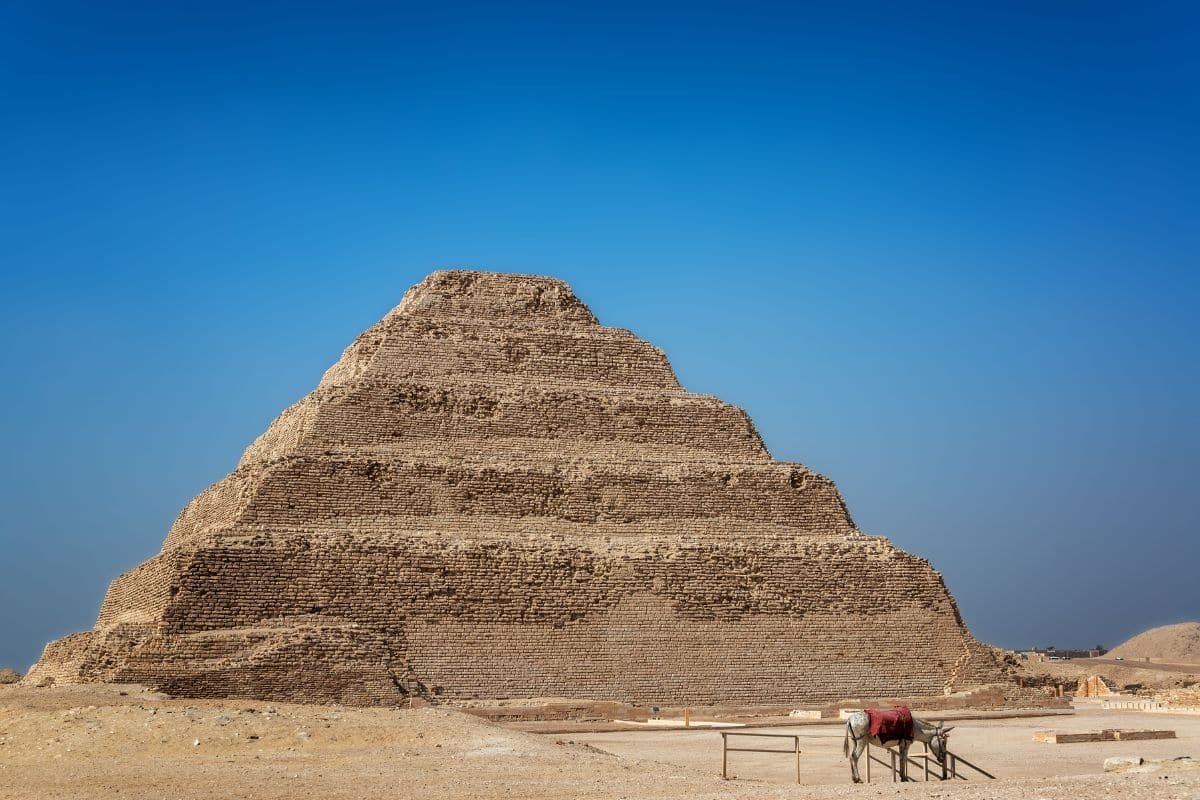
The Step Pyramid of Djoser is the most famous monument at Saqqara.
Built for Pharaoh Djoser during the 3rd Dynasty, the pyramid complex represents a major development in ancient Egyptian architecture.
UNESCO identifies the Step Pyramid as the first pyramid ever built and the first monumental stone building in Egyptian history.
The complex is traditionally associated with the architect Imhotep, whose innovative design transformed the earlier mastaba-style royal tomb into a series of stacked levels that created the distinctive stepped appearance.
The Step Pyramid was not simply an isolated pyramid. It formed part of a large funerary complex that included courtyards, ceremonial structures, temples, and other architectural elements connected with the king’s burial and religious rituals.
The development of the Step Pyramid represents an important stage in the evolution of Egyptian pyramid architecture.
Later generations of Egyptian builders developed increasingly sophisticated pyramid designs, eventually leading to the pyramids at Giza.
Tombs and Archaeological Sites at Saqqara
The Step Pyramid is only one part of Saqqara.
The archaeological area contains numerous tombs, mastabas, temples, pyramids, and other structures dating from different periods of ancient Egyptian history.
Many tombs contain beautifully preserved reliefs and inscriptions showing scenes from everyday life, agriculture, food production, crafts, religious rituals, and funerary traditions.
These scenes are particularly valuable because they provide information about ancient Egyptian society beyond the lives of kings and pharaohs.
Depending on the areas open to visitors, travelers may encounter decorated tombs, ancient burial complexes, monumental structures, and archaeological remains from different periods.
If you are particularly interested in ancient Egyptian tombs and architecture, allow enough time to explore beyond the Step Pyramid itself.
Memphis: Ancient Egypt’s Historic Capital
Memphis was one of the most important cities of ancient Egypt.
UNESCO describes Memphis as the first capital of ancient Egypt and notes its strategic location near the Nile Valley and the entrance to the Delta.
The city served as an administrative and religious center and was closely associated with the worship of Ptah, the local creator god and patron of craftsmen.
Although much of ancient Memphis has disappeared or survives only as archaeological remains, the site still contains important monuments and statues.
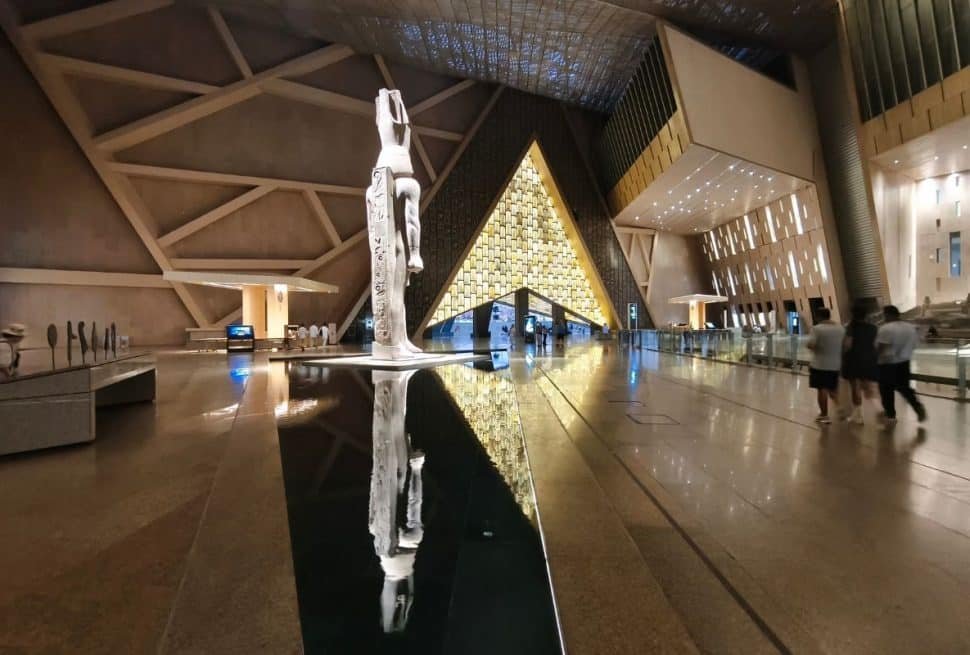
One of the most recognizable attractions is the colossal limestone statue of Ramses II, which demonstrates the scale and artistic skill of ancient Egyptian sculpture.
Visitors can also see remains associated with ancient religious and civic structures, including elements connected with the worship of Ptah.
The archaeological remains at Memphis help explain the relationship between the ancient capital and the vast necropolis of Saqqara.
What to See at Saqqara and Memphis
A visit to Saqqara and Memphis can include several important archaeological highlights.
1. Step Pyramid of Djoser
The Step Pyramid is the defining monument of Saqqara and an essential stop for anyone interested in ancient Egyptian architecture.
Its distinctive stepped design represents a major stage in the development of pyramid construction.
2. Djoser’s Funerary Complex
Around the Step Pyramid is a large ceremonial complex containing courtyards, structures, and architectural elements associated with the king’s funerary rituals.
3. Ancient Tombs
Saqqara contains numerous tombs belonging to officials and members of the ancient Egyptian elite.
Decorated walls and reliefs provide glimpses into everyday life, religious beliefs, occupations, and funerary traditions.
4. Colossal Statue of Ramses II
At Memphis, visitors can see the impressive colossal statue of Ramses II, one of the site’s best-known surviving monuments.
5. Temple and Religious Remains
Memphis was an important religious center dedicated particularly to Ptah. Archaeological remains help visitors understand the city’s spiritual and political importance.
6. Ancient Sphinxes and Archaeological Remains
The Memphis area contains statues, sphinxes, architectural fragments, and other archaeological remains connected with the ancient city.
7. The Wider Memphis Necropolis
Saqqara forms part of the much larger archaeological landscape associated with Memphis. UNESCO’s World Heritage property extends across a series of pyramid fields and archaeological sites between Giza and Dahshur.
For more information about the archaeological significance of the area, see the UNESCO World Heritage Centre.
Saqqara and Memphis Tour Experience
A typical Saqqara and Memphis tour from Cairo can be arranged as a half-day experience, although the exact duration depends on the itinerary, traffic, entrance arrangements, and the number of sites you choose to visit.
A private tour usually begins with pickup from your hotel in Cairo or Giza.
From there, you can travel south toward Saqqara with a private vehicle and guide.
Step 1: Visit Saqqara
Begin with the Step Pyramid complex and explore the archaeological area with your guide.
Depending on the itinerary and site access, you may also visit selected tombs and other monuments.
Step 2: Explore Memphis
Continue to Memphis to see the archaeological remains, statues, and monuments associated with the ancient capital.
Your guide can explain how Memphis functioned as a political and religious center and how its necropolis developed at Saqqara.
Step 3: Return to Cairo
After exploring the two sites, return to Cairo or continue to another attraction depending on your itinerary.
Many travelers choose to combine Saqqara and Memphis with the Giza Pyramids because the destinations can be incorporated into a wider day of ancient Egyptian sightseeing.
You can also explore more Cairo tours and build a customized itinerary around your interests.
Best Time to Visit Saqqara and Memphis
The best time to visit Saqqara and Memphis depends largely on temperature, sunlight, and your preferred sightseeing schedule.
October to April
The cooler months are generally more comfortable for exploring archaeological sites and spending time outdoors.
These months are particularly suitable if you want to walk around Saqqara and explore several monuments without the intense heat of the summer.
May to September
Summer can be very hot, especially during the middle of the day.
If you visit during the warmer months, consider starting your tour early in the morning.
Bring:
- Water
- Sunscreen
- A hat
- Sunglasses
- Comfortable walking shoes
- Lightweight clothing
Always follow current site regulations and your guide’s advice during your visit.
Tips for Visiting Saqqara and Memphis
A little preparation can make your experience much more comfortable.
1. Wear Comfortable Shoes
Archaeological sites involve walking over uneven surfaces, so comfortable shoes are essential.
2. Start Early
Morning visits can provide more comfortable temperatures, particularly during warmer months.
3. Bring Water
Carry enough drinking water, especially during spring and summer.
4. Protect Yourself From the Sun
A hat, sunglasses, sunscreen, and lightweight clothing can be useful when spending time outdoors.
5. Consider Hiring a Professional Guide
The monuments at Saqqara and Memphis have thousands of years of history behind them.
A knowledgeable Egyptologist or licensed local guide can explain the historical context, architecture, religious beliefs, and stories connected with the sites.
6. Combine the Sites With Giza
If you have limited time in Cairo, you can consider combining Saqqara and Memphis with the Giza Pyramids.
You can also read our Giza Pyramids Travel Guide for additional planning information.
7. Respect the Archaeological Sites
Follow posted instructions, avoid touching ancient surfaces, and respect restrictions around monuments and archaeological remains.
Saqqara and Memphis vs. the Giza Pyramids
The three destinations are closely connected historically but offer different experiences.
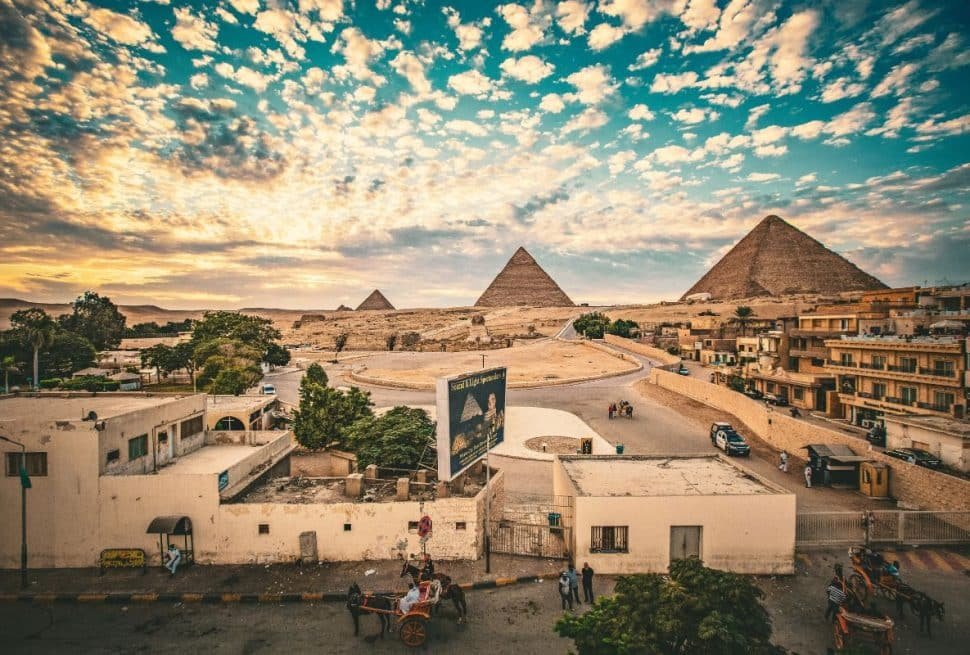
The Giza Plateau is famous for the Great Pyramid, the Pyramid of Khafre, the Pyramid of Menkaure, and the Great Sphinx.
Saqqara provides a broader view of Egyptian funerary architecture, including the Step Pyramid and numerous tombs and archaeological structures.
Memphis focuses on the remains of the ancient capital, including statues, religious remains, and evidence of the city’s political and cultural importance.
For travelers interested in ancient Egyptian history, combining these destinations can provide a more complete picture of how Egyptian monumental architecture developed.
Modern Significance of Saqqara and Memphis
Today, Saqqara and Memphis remain important archaeological sites and form part of one of Egypt’s major World Heritage properties.
The Memphis and its Necropolis property was inscribed on the UNESCO World Heritage List in 1979. It includes archaeological sites stretching from Giza through Saqqara and toward Dahshur.
The area continues to provide important evidence about ancient Egyptian architecture, religion, burial traditions, administration, and daily life.
For visitors, the sites offer an opportunity to see monuments from different periods within the wider historical landscape of ancient Memphis.
Frequently Asked Questions About Saqqara and Memphis
Is Saqqara worth visiting?
Yes. Saqqara contains the Step Pyramid of Djoser, ancient tombs, funerary complexes, and other archaeological remains that help explain the development of ancient Egyptian architecture and burial traditions.
How far are Saqqara and Memphis from Cairo?
Both sites are located south of modern Cairo in the wider archaeological area associated with ancient Memphis. Travel time depends on your exact starting point and Cairo traffic.
Can I visit Saqqara and Memphis in one day?
Yes. The two sites are commonly combined into one half-day or full-day excursion, depending on how many monuments and tombs you want to visit.
What is the main attraction at Saqqara?
The Step Pyramid of Djoser is the site’s most famous monument. However, Saqqara contains many additional tombs, temples, pyramids, and archaeological structures.
What can I see at Memphis?
Visitors can see archaeological remains, statues, sphinxes, and monuments connected with the ancient city, including the famous colossal statue of Ramses II.
Can I combine Saqqara and Memphis with the Giza Pyramids?
Yes. Travelers with a full day available can combine the three destinations, although the amount of time required depends on the itinerary and time spent at each site.
Do I need a guide for Saqqara and Memphis?
A guide is not necessarily required, but a professional Egyptologist or licensed local guide can provide historical context and explain the significance of monuments that may otherwise be difficult to understand.
What should I bring to Saqqara and Memphis?
Bring comfortable walking shoes, water, sunscreen, sunglasses, and a hat. Lightweight clothing is useful during warmer months.
Conclusion
Saqqara and Memphis offer an opportunity to explore a side of ancient Egypt that goes beyond the famous pyramids of Giza.
At Saqqara, the Step Pyramid of Djoser demonstrates an important stage in the development of pyramid architecture, while the surrounding tombs and archaeological remains reveal details about ancient Egyptian society and funerary traditions.
At Memphis, surviving statues and archaeological remains provide a glimpse into the ancient capital’s political and religious importance.
Together, Saqqara and Memphis form an important part of the ancient Egyptian landscape and are well worth considering when planning a Cairo itinerary.
If you’re planning a wider journey through Egypt, explore our Day Tours or discover more Packages Tours and experiences with Egypt Unlocked.See it with a local guide: Saqqara & Memphis Tour · Private Pyramids Tour. Questions? WhatsApp Mo.