City of Alexandria: An Introduction to a Legendary City
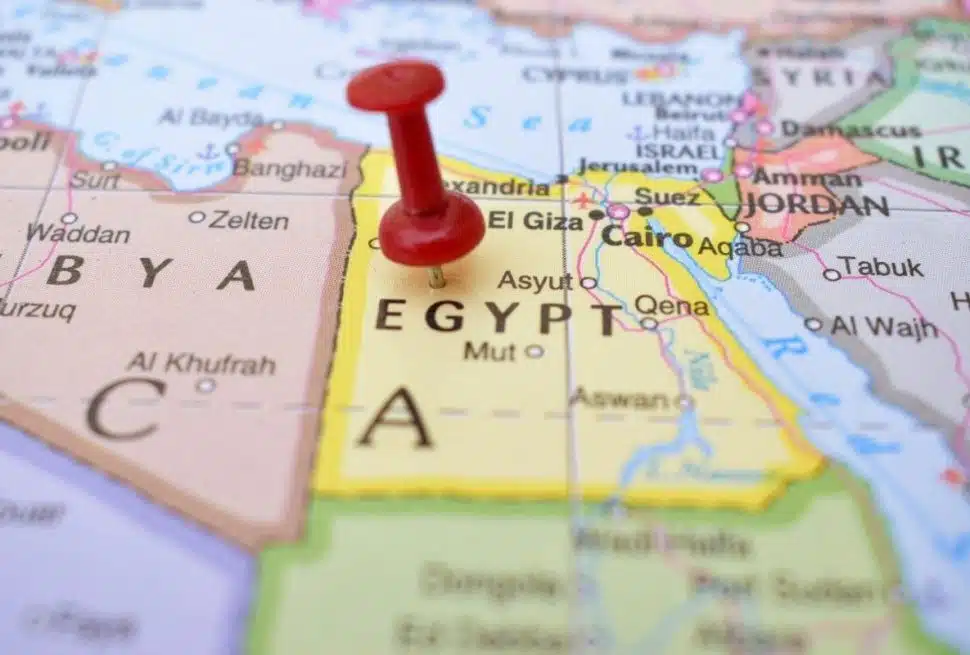
The City of Alexandria is one of the most historically important and culturally rich cities in Egypt. Located along the Mediterranean coast, Alexandria has served for centuries as a gateway between Africa, Europe, and the Middle East. Known for its ancient wonders, intellectual legacy, and relaxed coastal atmosphere, the City of Alexandria remains a fascinating destination where history and modern life blend seamlessly.
Founded more than 2,300 years ago, Alexandria was once the greatest center of knowledge in the ancient world. Today, it is Egypt’s second-largest city and a vital hub for trade, education, and culture.
The Origins of the City of Alexandria
The City of Alexandria was founded in 331 BC by Alexander the Great, who recognized the strategic importance of its Mediterranean location. The city was designed to become a powerful capital and a link between Greek civilization and ancient Egypt.
Under the Ptolemaic Dynasty, Alexandria rapidly developed into a planned city with wide streets, impressive harbors, and monumental architecture. Its position on major trade routes helped it grow into one of the wealthiest and most influential cities of the ancient world.
The City of Alexandria in Ancient Times
At its peak, the City of Alexandria was famous for two legendary landmarks:
the Great Library of Alexandria and the Lighthouse of Alexandria.
The Great Library aimed to collect all known knowledge of the ancient world. Scholars from Greece, Rome, Persia, and Egypt studied there, making groundbreaking discoveries in mathematics, astronomy, medicine, and geography.
The Lighthouse of Alexandria, also known as the Pharaohs, stood over the harbor and guided ships safely into the city. It was considered one of the Seven Wonders of the Ancient World and symbolized Alexandria’s innovation and maritime power.
Ancient Alexandria was also remarkably multicultural. Egyptians, Greeks, Romans, and Jewish communities lived together, creating a unique blend of art, religion, and traditions still visible in sites like the Roman Catacombs of Kom Ash-Suqqafa.
The City of Alexandria During Roman and Islamic Eras
After becoming part of the Roman Empire, the City of Alexandria remained an important center for commerce and religion. It played a major role in the spread of early Christianity and later Islamic culture.
During the Islamic period, Alexandria continued to function as a key port city. Although many ancient monuments were lost due to earthquakes and time, the city’s importance never disappeared.
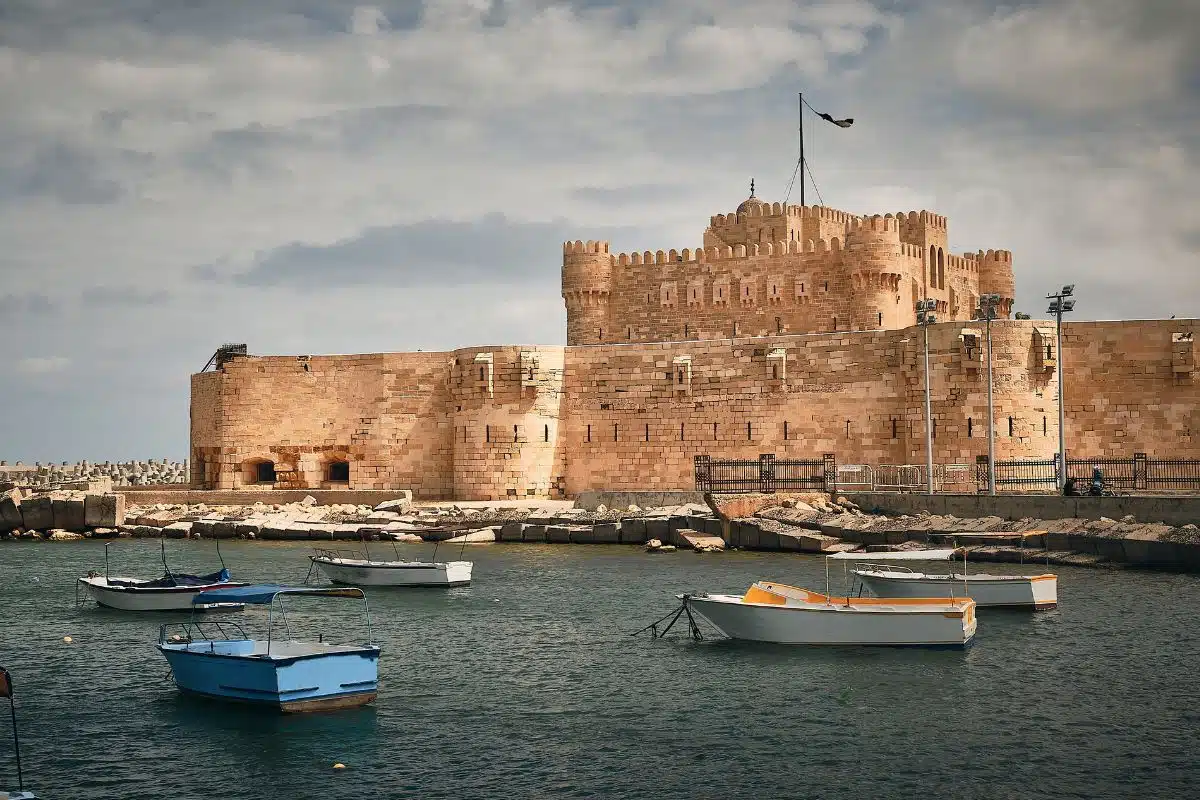
One of the most iconic later landmarks is the Citadel of Qaitbay, built in the 15th century on the original site of the ancient lighthouse. The fortress still stands today as a powerful symbol of Alexandria’s layered history.
The City of Alexandria in Modern History
In the 19th century, the City of Alexandria experienced a major revival under Muhammad Ali Pasha. The city became Egypt’s primary port and attracted Europeans, Levantines, and Mediterranean traders.
This period gave Alexandria its cosmopolitan identity, with elegant architecture, theaters, cafes, and cultural institutions. Writers such as Constantine Cavafy captured the city’s nostalgic and romantic atmosphere.
Even after political changes in the mid-20th century, Alexandria remained one of Egypt’s most important urban centers.
The City of Alexandria Today
Today, the City of Alexandria is a lively Mediterranean metropolis known for its sea views, Corniche promenade, and relaxed lifestyle. It remains a major port, industrial hub, and cultural center.
One of its most important modern landmarks is the Bibliotheca Alexandrina, opened in 2002 as a tribute to the ancient library. The complex includes museums, research centers, and exhibition halls, making it a global destination for learning and culture.
Museums such as the National Museum of Alexandria display artifacts from Pharaonic, Greek, Roman, and Islamic periods, including underwater archaeological discoveries from the harbor.
Culture, Lifestyle, and Coastal Charm
The City of Alexandria is famous for its seafood, traditional cafes, historic neighborhoods, and vibrant street life. Locals enjoy evening walks along the Corniche, while visitors are drawn to the city’s authentic atmosphere and slower pace compared to Cairo.
Alexandria’s culture reflects centuries of interaction between civilizations, creating a city that feels both deeply Egyptian and unmistakably Mediterranean.
Why the City of Alexandria Still Matters
The City of Alexandria represents one of the greatest experiments in human civilization — a city built on knowledge, openness, and cultural exchange. Its influence shaped science, philosophy, and global trade for centuries.
Today, Alexandria continues to inspire travelers, historians, and scholars. It offers a rare chance to experience ancient history, Islamic heritage, European influence, and modern Egyptian life in one destination.
Final Thoughts on the City of Alexandria
From legendary ancient wonders to vibrant modern streets, the City of Alexandria remains a timeless symbol of human achievement and cultural connection. It is not just a city of the past, but a living, evolving place that continues to shape Egypt’s identity on the Mediterranean coast.
Whether explored for its history or enjoyed for its coastal charm, Alexandria leaves a lasting impression on all who visit.
See it with a local guide: Cairo to Alexandria Day Trip. Questions? WhatsApp Mo.